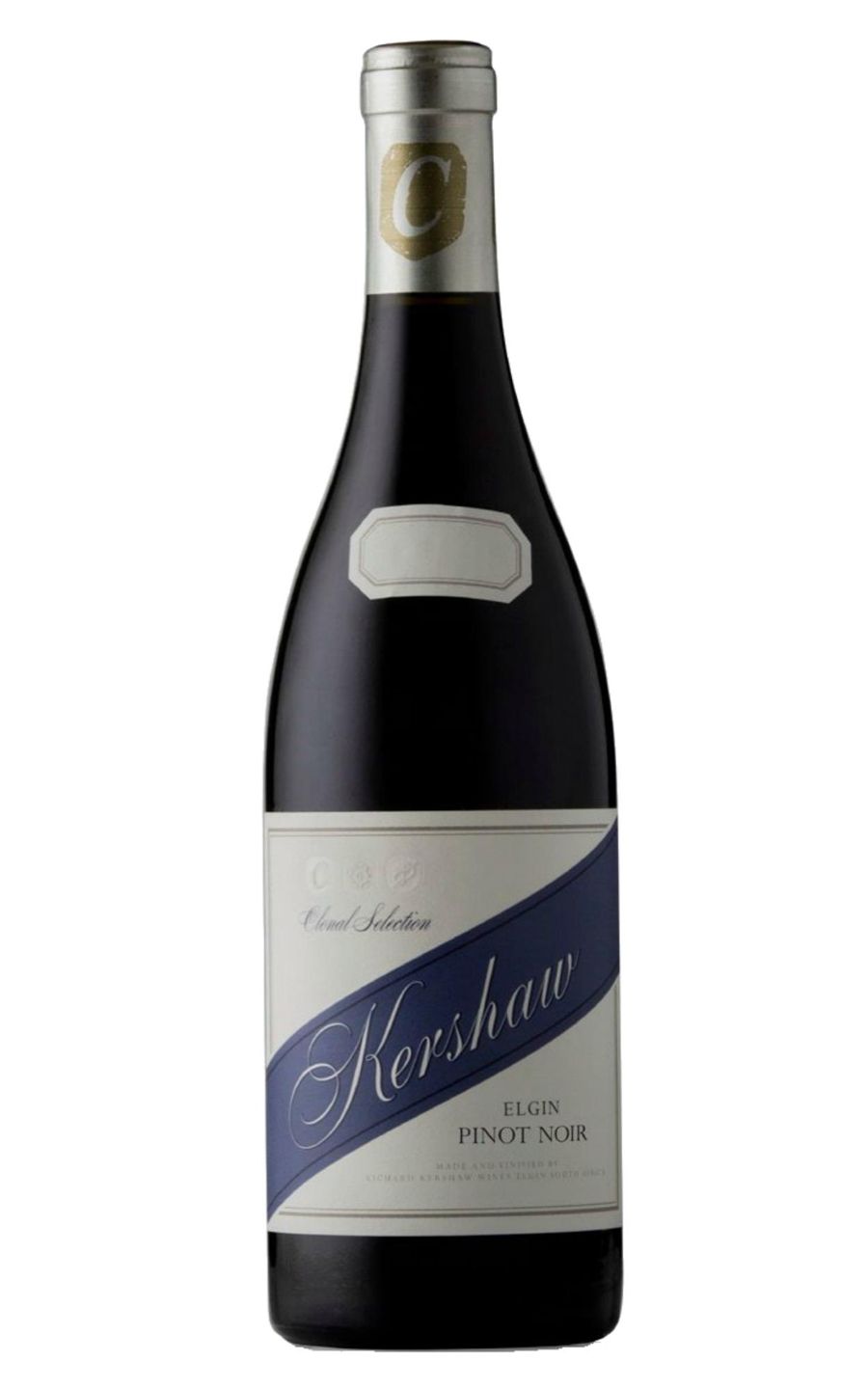
Clonal Selection Pinot Noir
Learn More About This Wine
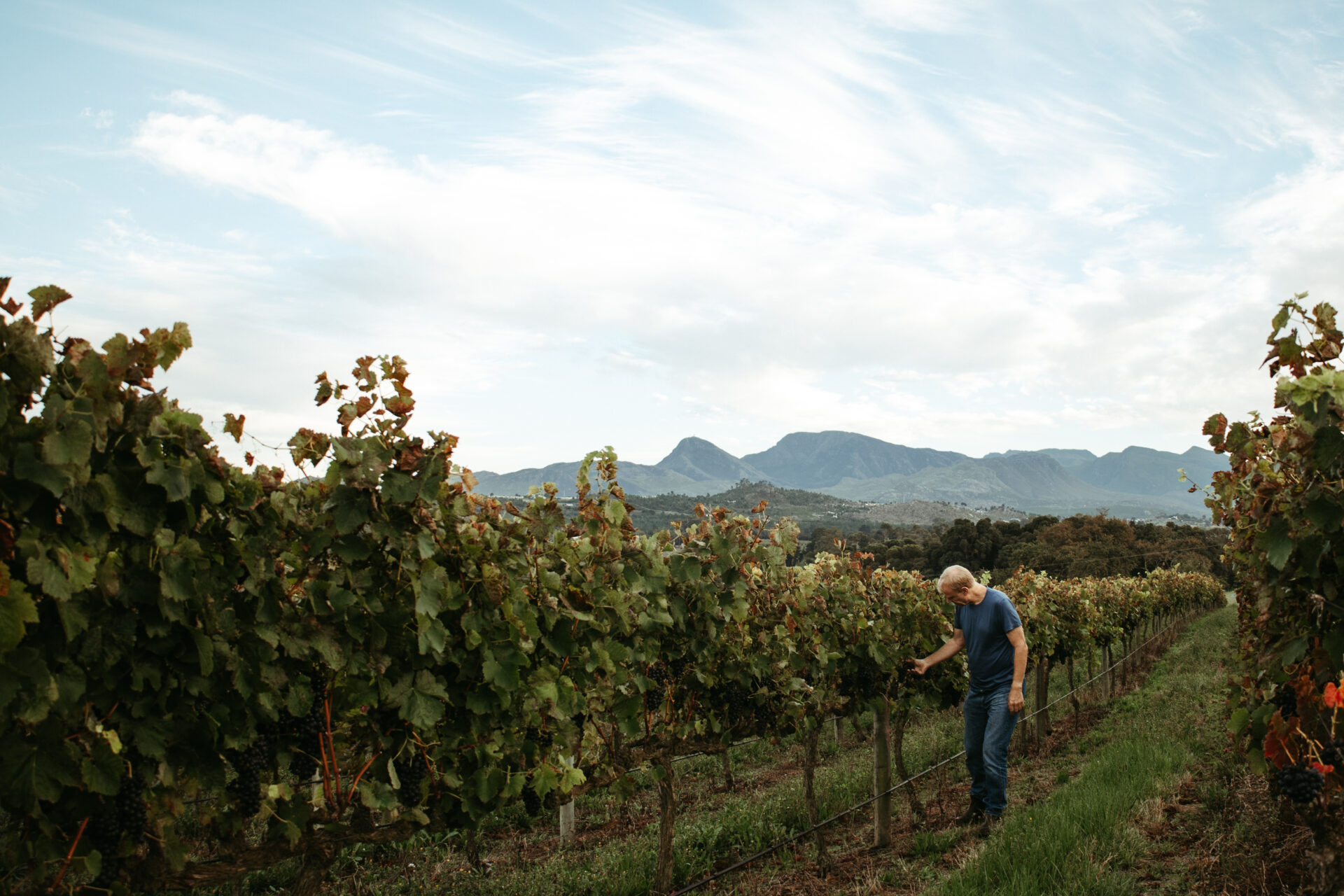
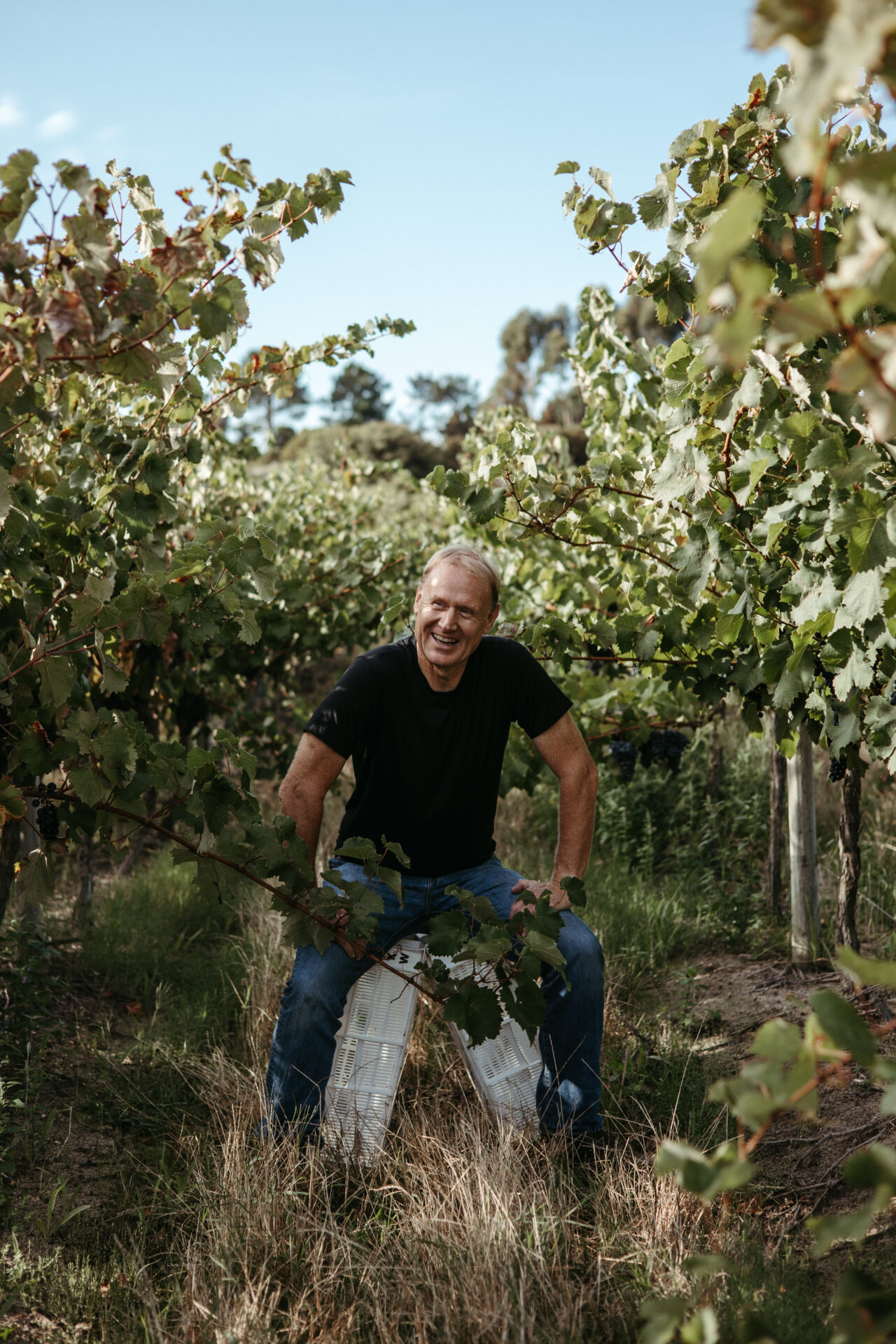
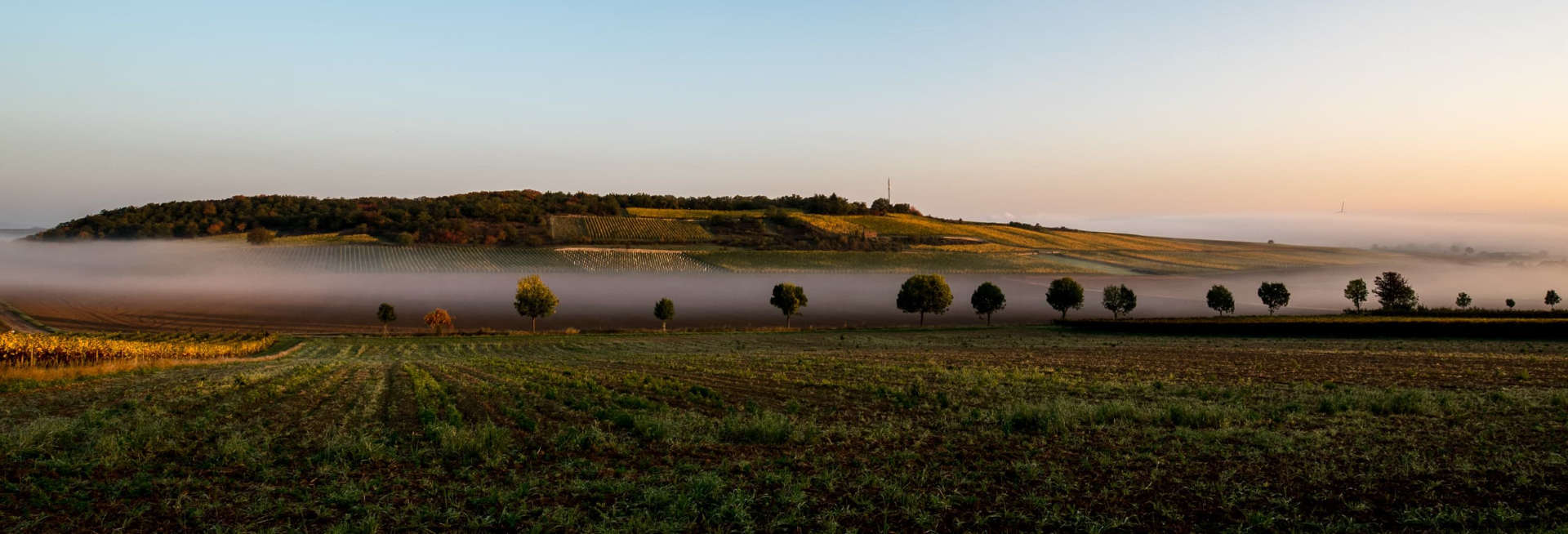
In 2012, owner Richard Kershaw MW, established Richard Kershaw to create clonally selected, site-specific, cool climate wine paradigms from opposite noble grapes i.e. ones with the ability to produce world-class examples. SA’s coolest wine district, Elgin Valley, reflected these principles benefitting from higher altitude, ocean proximity, specific cloud cover sequencing, high cold units and a large diurnal range, enabling the germane grapes, Chardonnay, Syrah and more recently Pinot Noir, to show a sense of place.
2022 follows 2021 as another cooler season. Both years experienced La Nina phenomena, with colder but slightly drier winters and cooler, slightly damper springs. There were lower minimum temperatures in the preceding winter. Rainfall was nearly identical to the long-term average, but cold units were over 20% higher, indicating prolonged low temperatures. Spring was drier than average, allowing for even budding and shoot growth. However, it was also cool, causing the growth cycle to start 10 to 14 days later. Cooler and drizzly weather continued into early summer, contributing to lush canopies that required continuous management. The 2022 crop was smaller but of exceptional quality, exhibiting stunning flavour and colour development, as well as wonderful freshness and purity of the fruit, alongside lower alcohol levels and interestingly lower acidities.
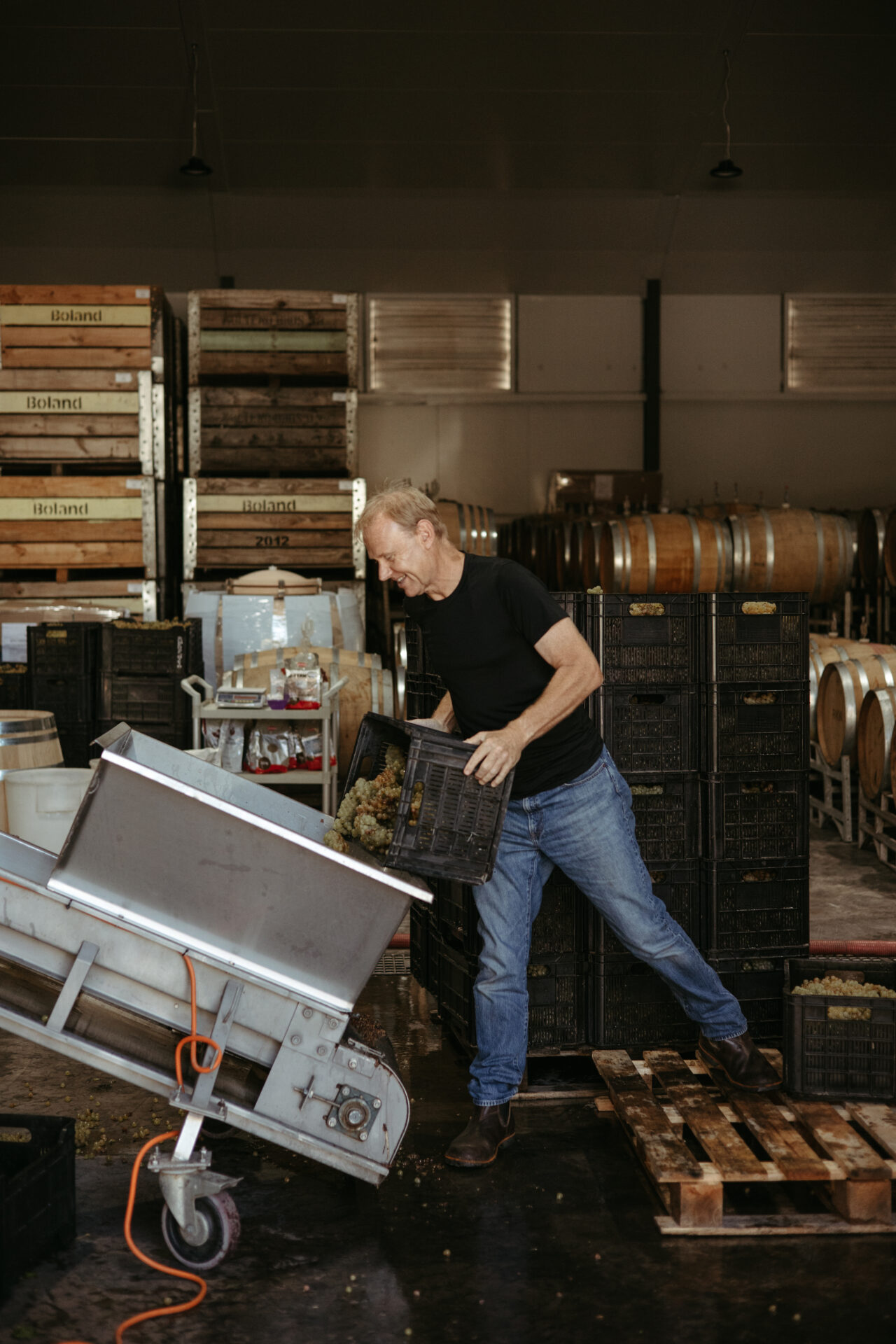
The grapes were handpicked into small lug baskets and manually sorted on a conveyor before the stems were removed. The destemmed berries fell onto a vibrating table in order to remove jacks and substandard berries before dropping uncrushed into small 500kg open-topped fermenters. The grapes underwent a 3-day maceration before spontaneous fermentation began. A gentle delastage program was charted, whereby all the juice ran from the tank daily, to allow any unwanted lees to settle out and for the cap to completely collapse before running the juice back over the crumbled pomace. The grapes remained on skins for 12-18 days before being run off their skins to tank with the remaining marc gently basket pressed. The wine settled overnight before being racked by gravity to the barrel. Malolactic proceeded in barrel followed by a light sulphuring after which the finished wine spent around 10-11 months undergoing maturation. During this period each and every barrel was tasted every 6 weeks and notes and scores logged to better understand our knowledge of clonal, soil and barrel selection. No finings were generally necessary, and the wine was simply racked and lightly filtered prior to bottling.
A small number of artisanal coopers were selected, all from Burgundy and only French oak was chosen. Importantly, each clone and soil type was micro vinified as separate batches. Each batch used an algorithm that they have developed to ascertain which coopers work best and how many new and used barrels were utilised. Overall, the average in 2022 was 32% new oak, the rest went into 2nd and 3re-fill barrels.
This wine has an enticing, complex nose of ripe plum, pencil shavings, and the icing on Zoo biscuits, overlaid with the fragrance of dried flowers and the subtle presence of oak. A notable interplay between the oak and the fruit contributes to a rounded mouthfeel framed by grippy tannins that provide structure and racy, vibrant acidity that adds freshness and balance. There is real power and focus, with plenty of material in the mid-palate. A long, satisfying finish with lingering notes of spice, toast, and floral nuances, this is a tightly wound wine that will unfold beautifully over time.