
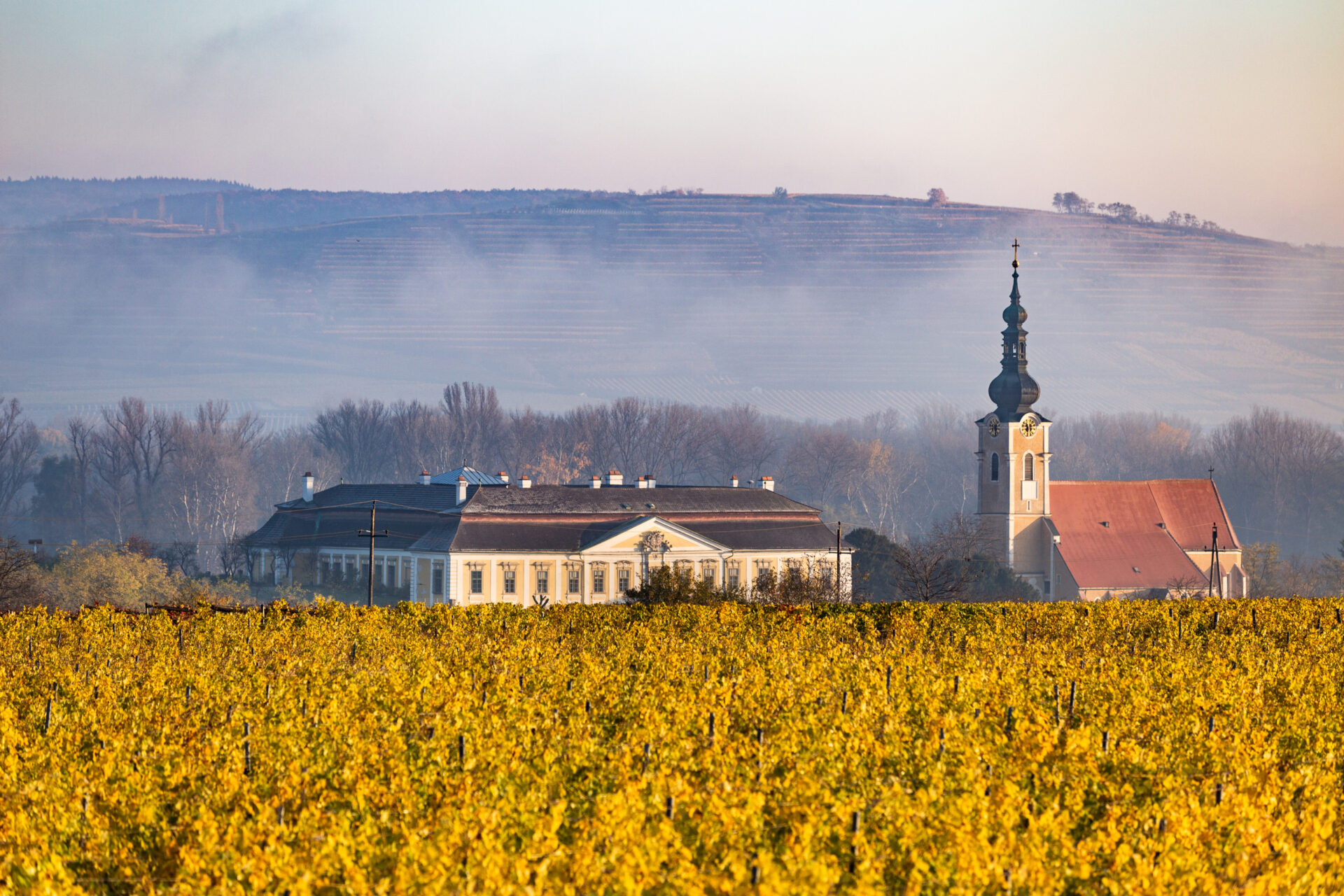
Schloss Gobelsburg
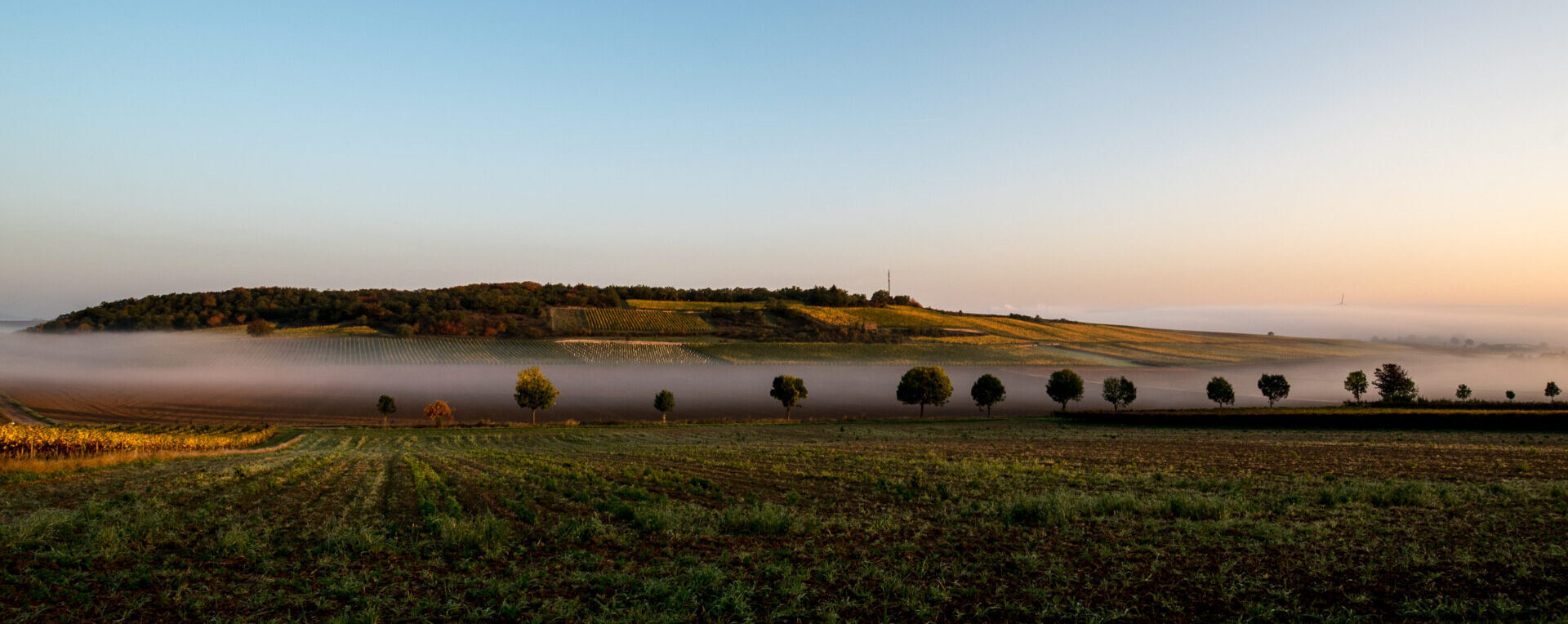
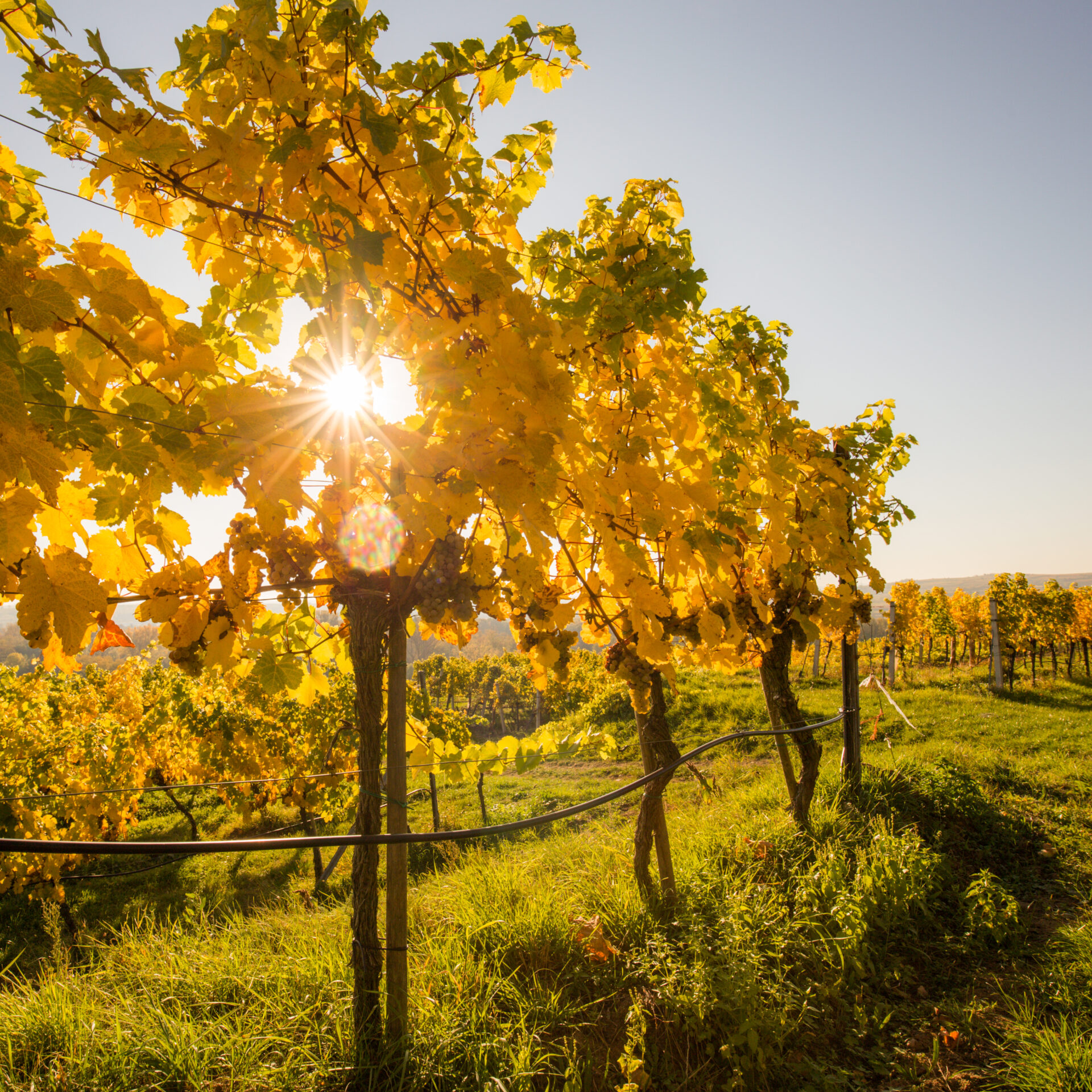
As one of the oldest wineries in Austria, Schloss Gobelsburg has several historical vineyard sites, with different soil and micro-climatic conditions. These range from the sun-exposed terraces on Zobinger Heiligenstein and the Gaisberg mountain to the extensive garden facilities around Gobelsburg castle.
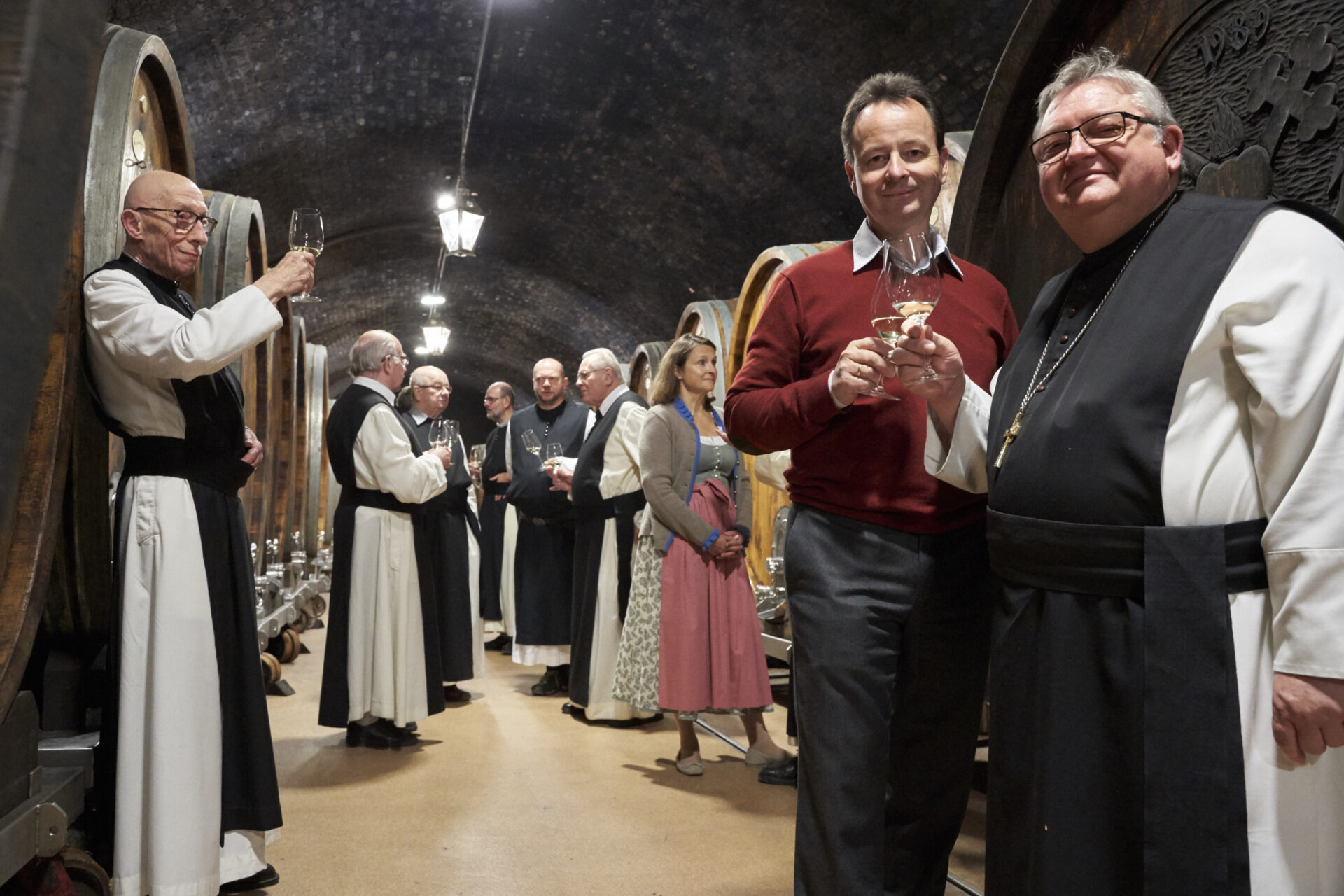
At Schloss Gobelsburg, ecological winegrowing is not just simply in vogue at the moment. The monks of the Zwettl Monastery, who managed the winery until 1995, used organic fertiliser, abstained from employing herbicides, and aimed to reduce the use of plant protectants.
In 1996, the Schloss Gobelsburg Winery was granted membership into the renowned Verein der Osterreichischen Traditionsweinguter. This association was the first in Austria to classify vineyard locations in Kamptal and Kremstal. Many of these vineyards – usually locations with a long history – produce wines with great potential year after year and stand out from the other conventional vineyards.
Simplicity and strictness are the two motifs of monastic life still working their magic in the cellars. Central to this concept are working processes requiring a minimum of mechanical impact on the wine. The utilisation of natural resources in combination with innovative elements help to form the character of the wines by preserving their authenticity.
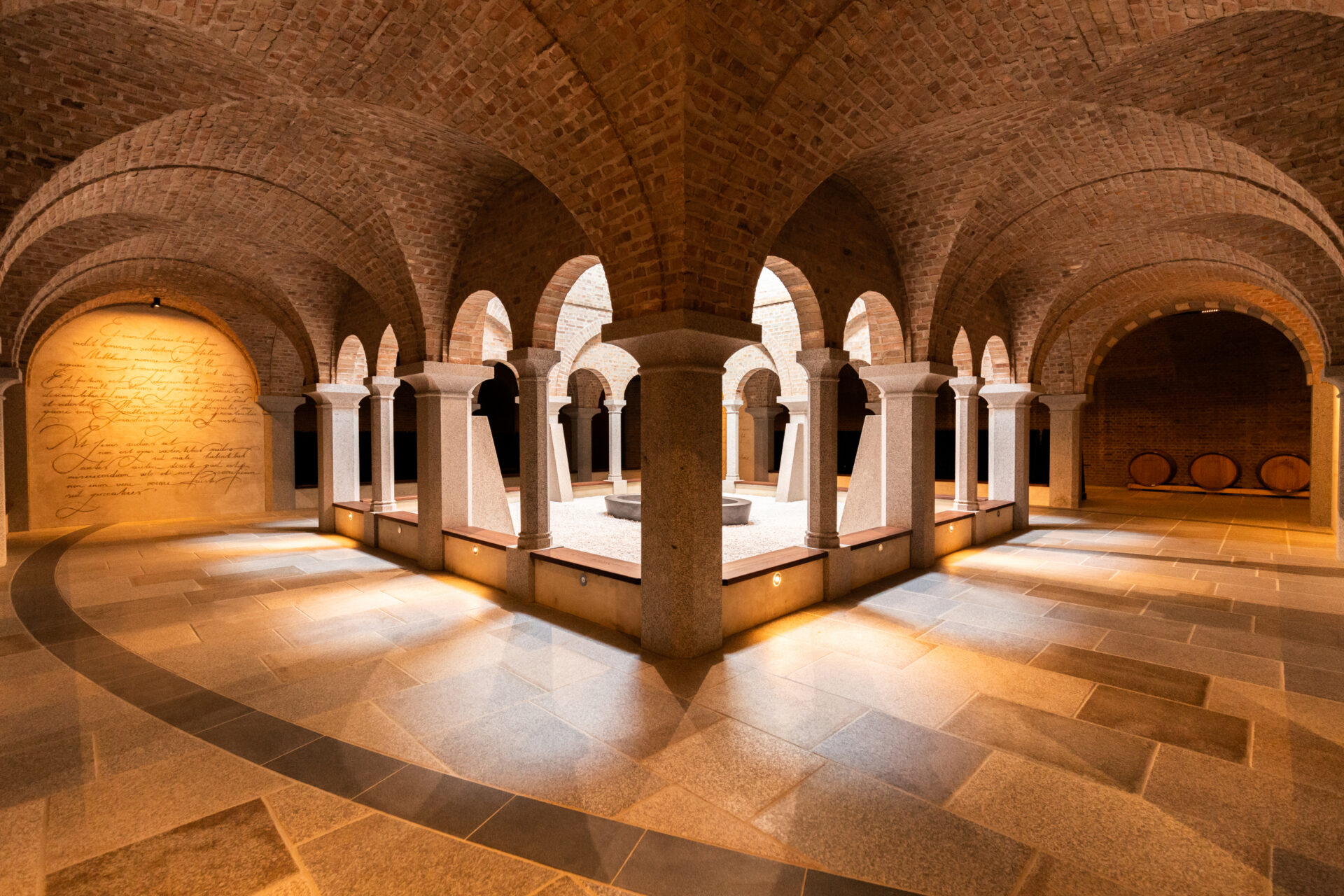
The oldest part of the cellar dates back to the castle facilities of the 11th century and over the years, the cellar has been continuously expanded. When Michael Moosbrugger took over the winery in 1996, the cellar was already well equipped with modern technologies.
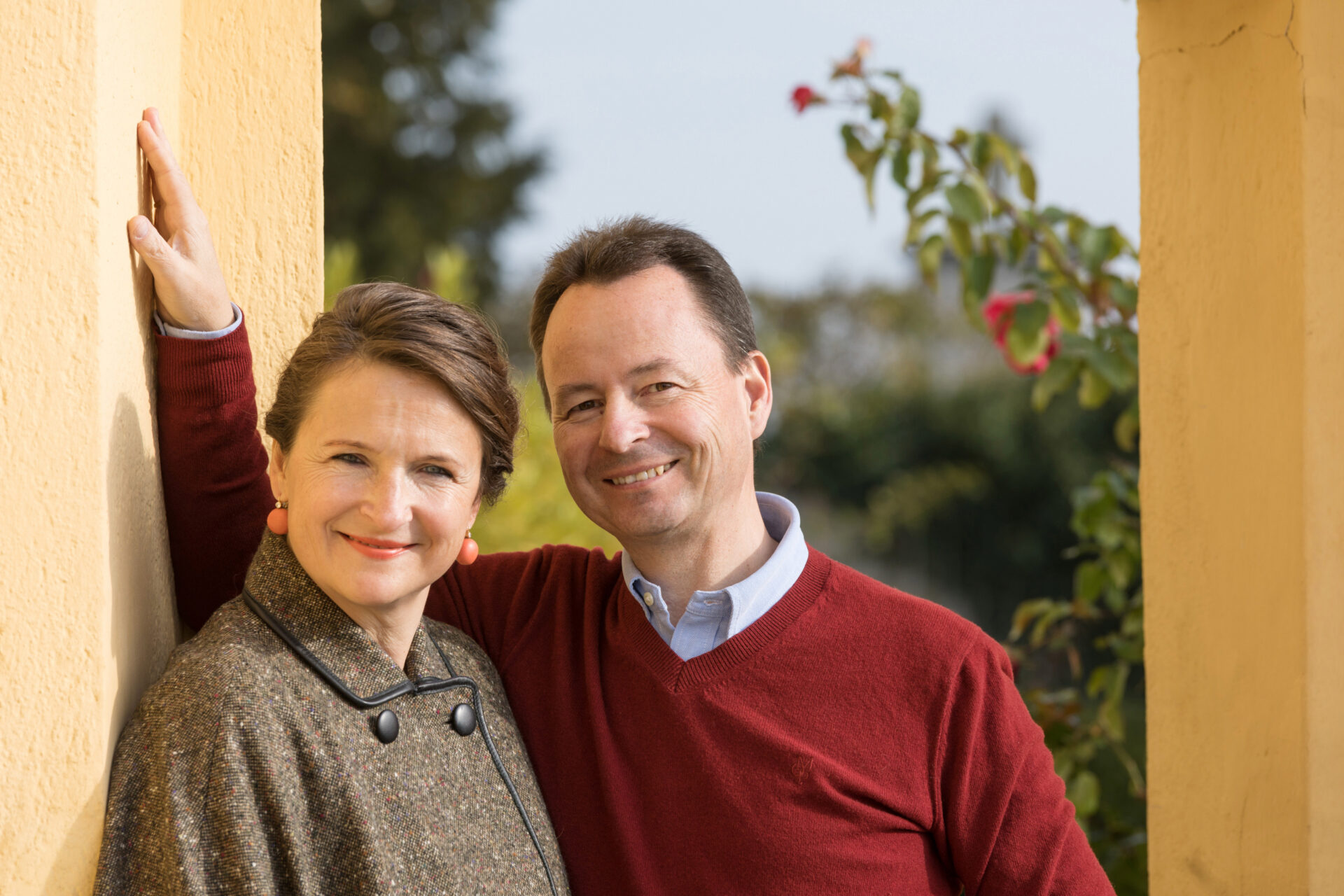
In times when many large international cellars are attempting to produce uniform wines that cater to standardised tastes, Moosbrugger is convinced that the future of wineries like Schloss Gobelsburg lies in individuality and character. As a high level of technology is necessary to obtain uniformity. Moosbrugger believes that a great level of individuality can only be achieved through reduction of intervention.
This is why at Gobelsburg plans do not revolve around the question of which machines can still be added to the cellar, but instead which machines can be done without. He developed the ‘Dynamic Cellar Concept’ for the winery with the key idea to have flexible cellar operations where – to put it simplistically – wines are no longer pumped from one location to the other, but instead transported in ‘barrels on wheels’ from one section of the cellar to the other.
The type of barrels used to mature wines helps to shape their character which is why for centuries Timber from Manhartsberg (a region north of Langenlois) has been used for the large and small oak casks. Naturally, this wood has a different character profile than oak from Allier or America. But it’s the regional character that forms the authentic personality of the Schloss Gobelsburg wines, which comes from a symbiosis between the trees that are grown under the same climatically conditions then the grapes of the later wines.
This approach is also based on significant findings derived from the study of old wine-making techniques, which resulted in a wine series by the name of “Tradition”. These wines are made using the traditional method of the 19th century which is known for its old and sound ageing structures, that has also paved the way of the (almost) forgotten Austrian culture of taste.
Wines By Schloss Gobelsburg
-

Schloss Gobelsburg Pinot Noir Reserve
-
Schloss Gobelsburg Domaene Gruner Veltliner
-
Schloss Gobelsburg Langenlois Gruner Veltliner
-
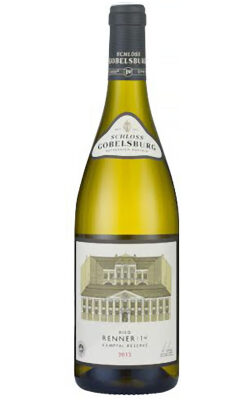
Schloss Gobelsburg Ried Renner 1er Lage
-
Schloss Gobelsburg Ried Heiligenstein 1er Lage
-
Schloss Gobelsburg Ried Lamm 1er Lage
-
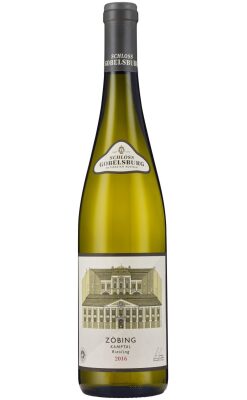
Zobing Riesling
-
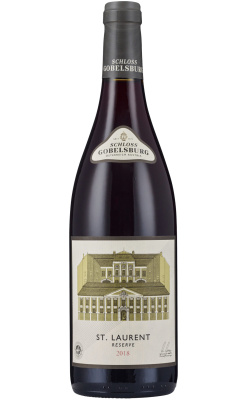
Schloss Gobelsburg St Laurent Selektion
-
Schloss Gobelsburg Tradition 3 Years