
Max Ferd Richter
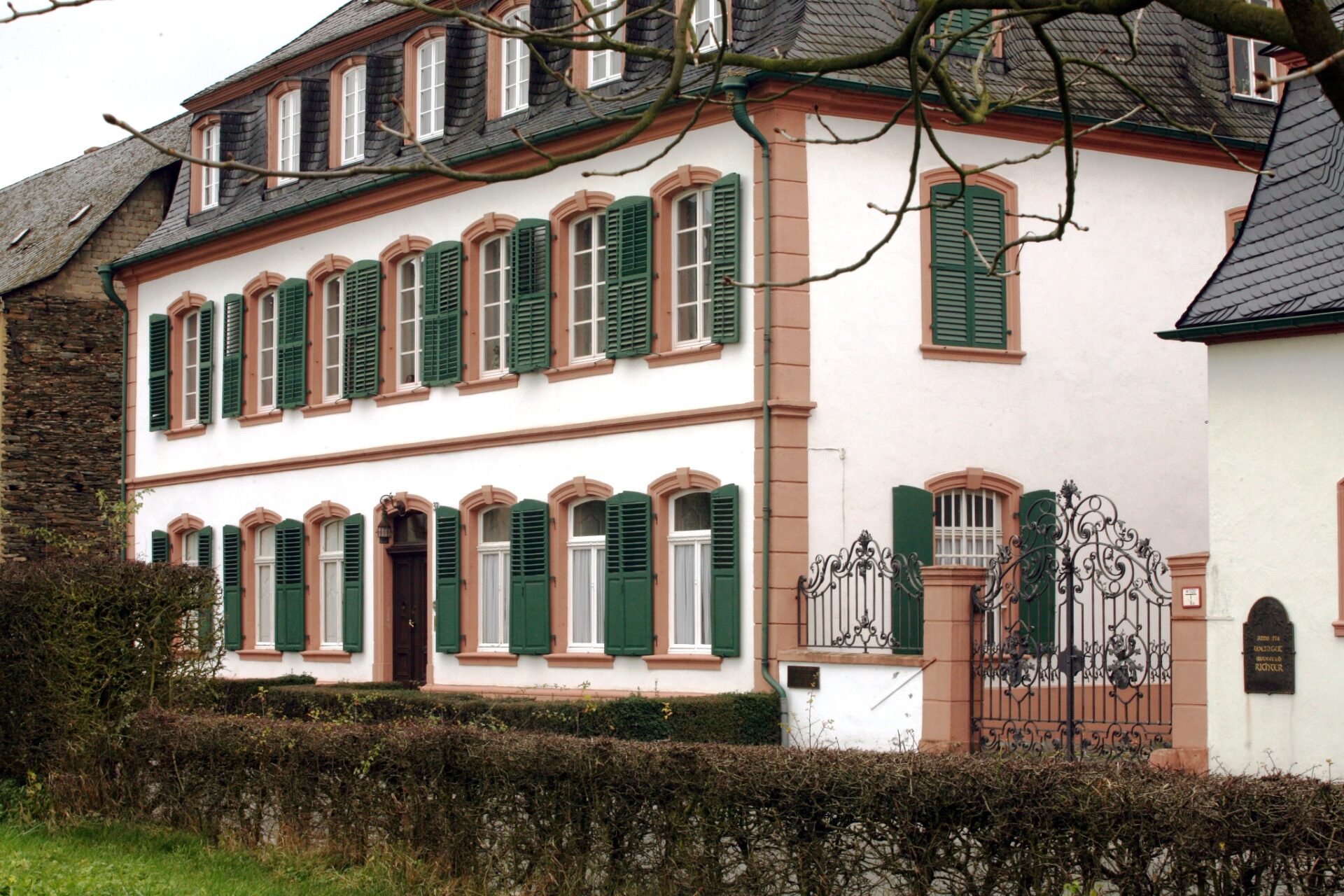
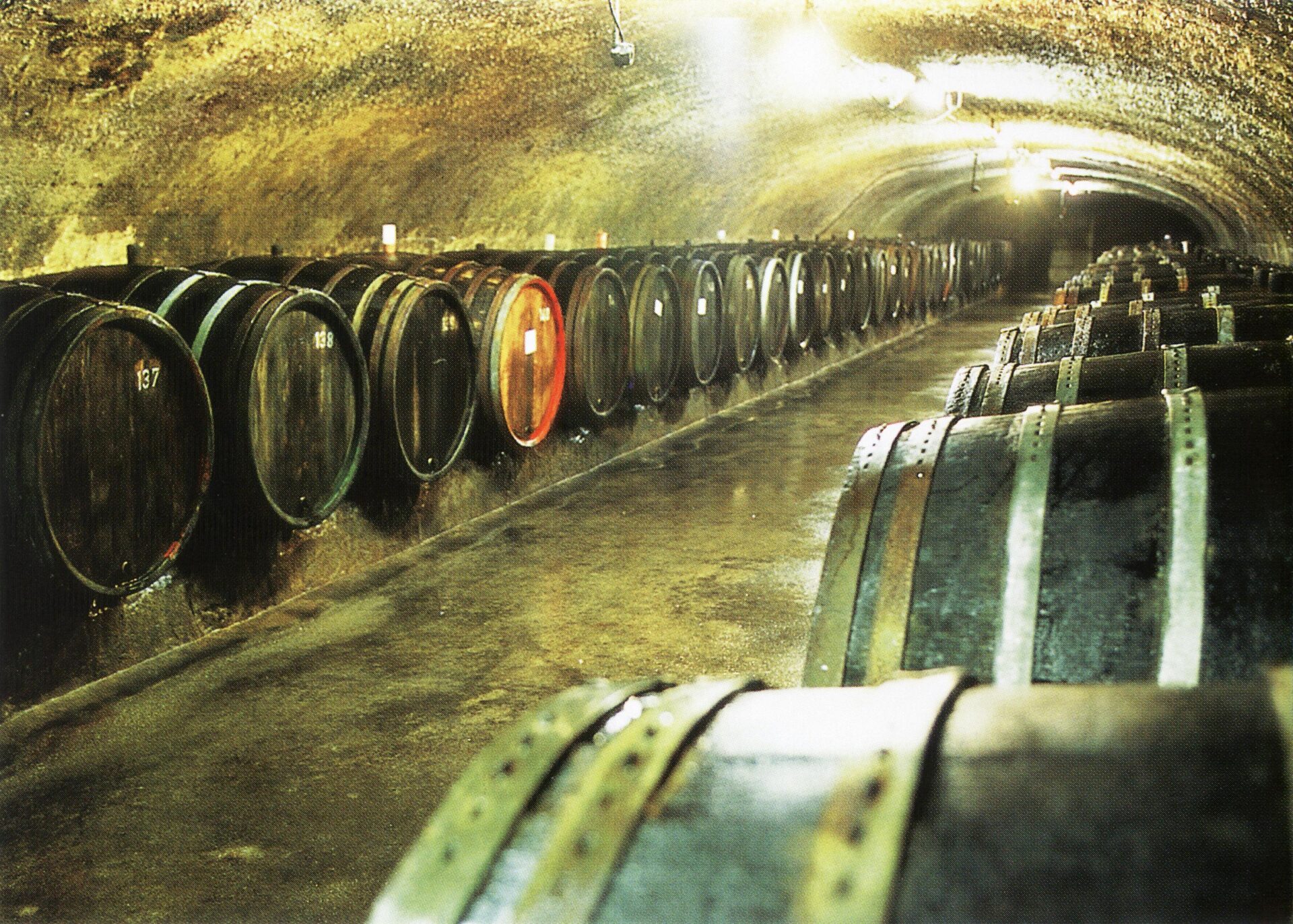
Founded in 1680 as a wine export company, today the estate of Max Ferdinand Richter is owned by the same family that first purchased the vineyards in Brauneberg in 1643. The Richter Estate mansion and its French baroque garden were built in 1774, and the winery buildings, built in 1880, boast one of the largest oak barrels wine cellars in the Mosel area. Max Ferdinand Richter is managed and operated by Dr. Dirk Richter, and his son Constantin Richter, the tenth generation, continuing this strong family tradition.
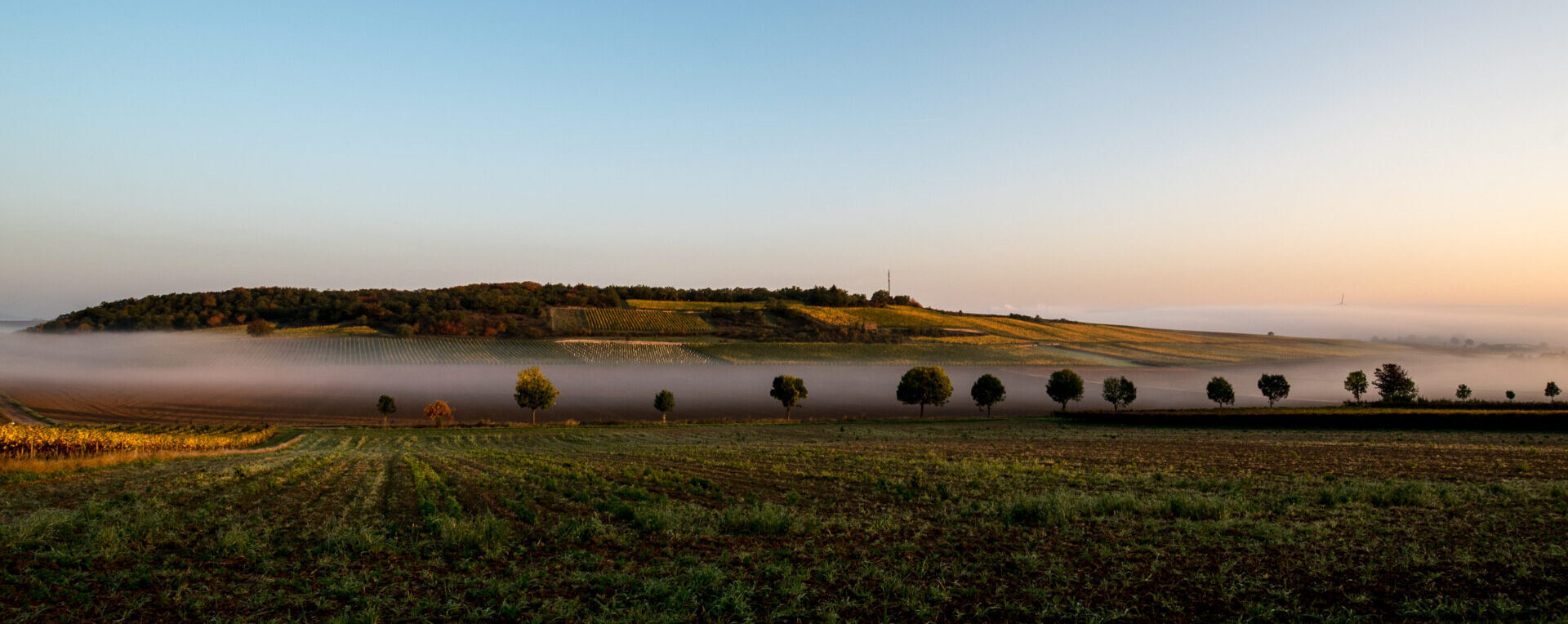
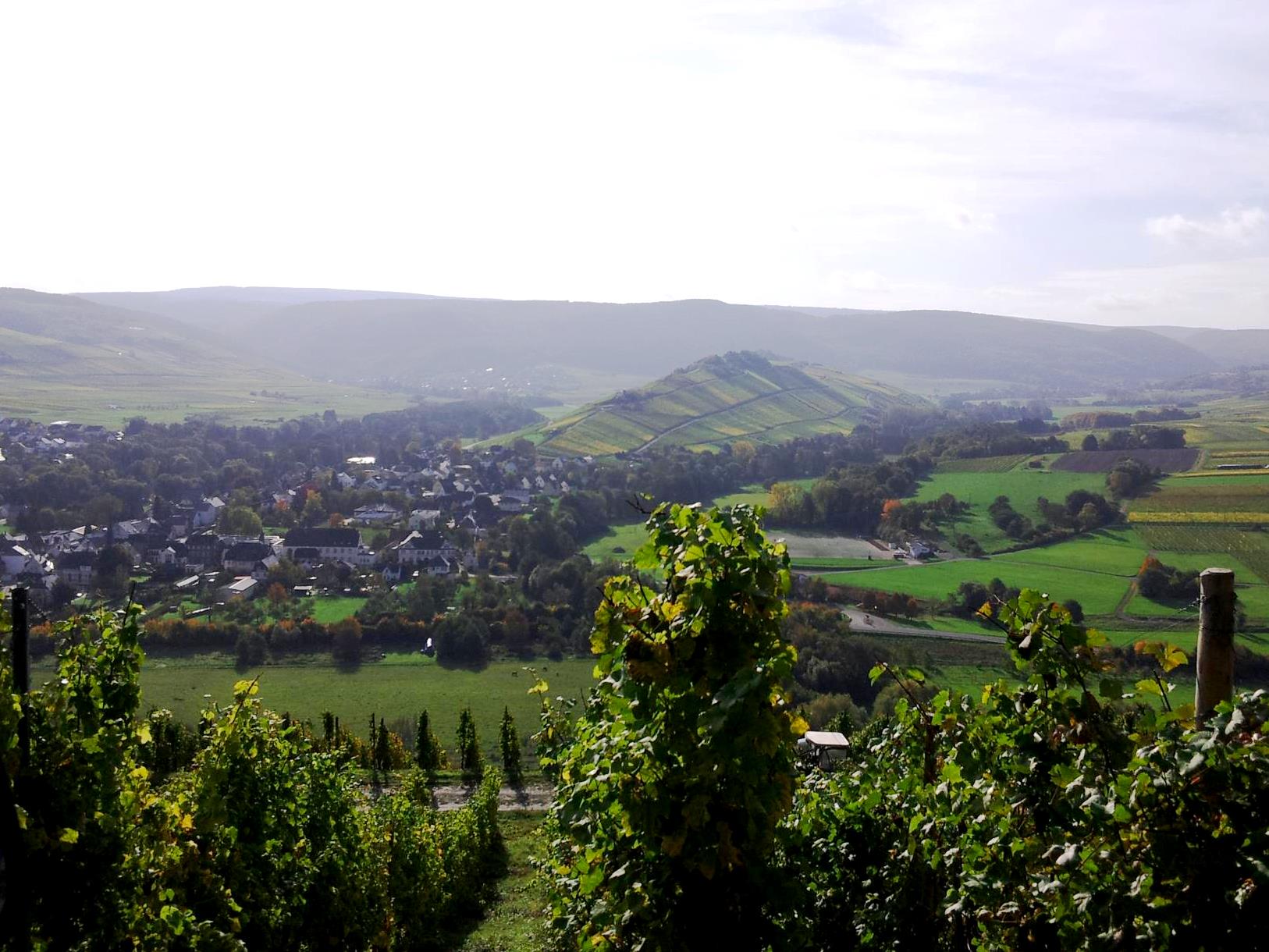
Max Ferdinand Richter’s 48 steep acres are spread out in the Middle Mosel Valley between Erden and Brauneberg. Plantings consist of 95% Riesling and 5% Pinot Blanc grapes. The average age of Richter vines is 40 years.
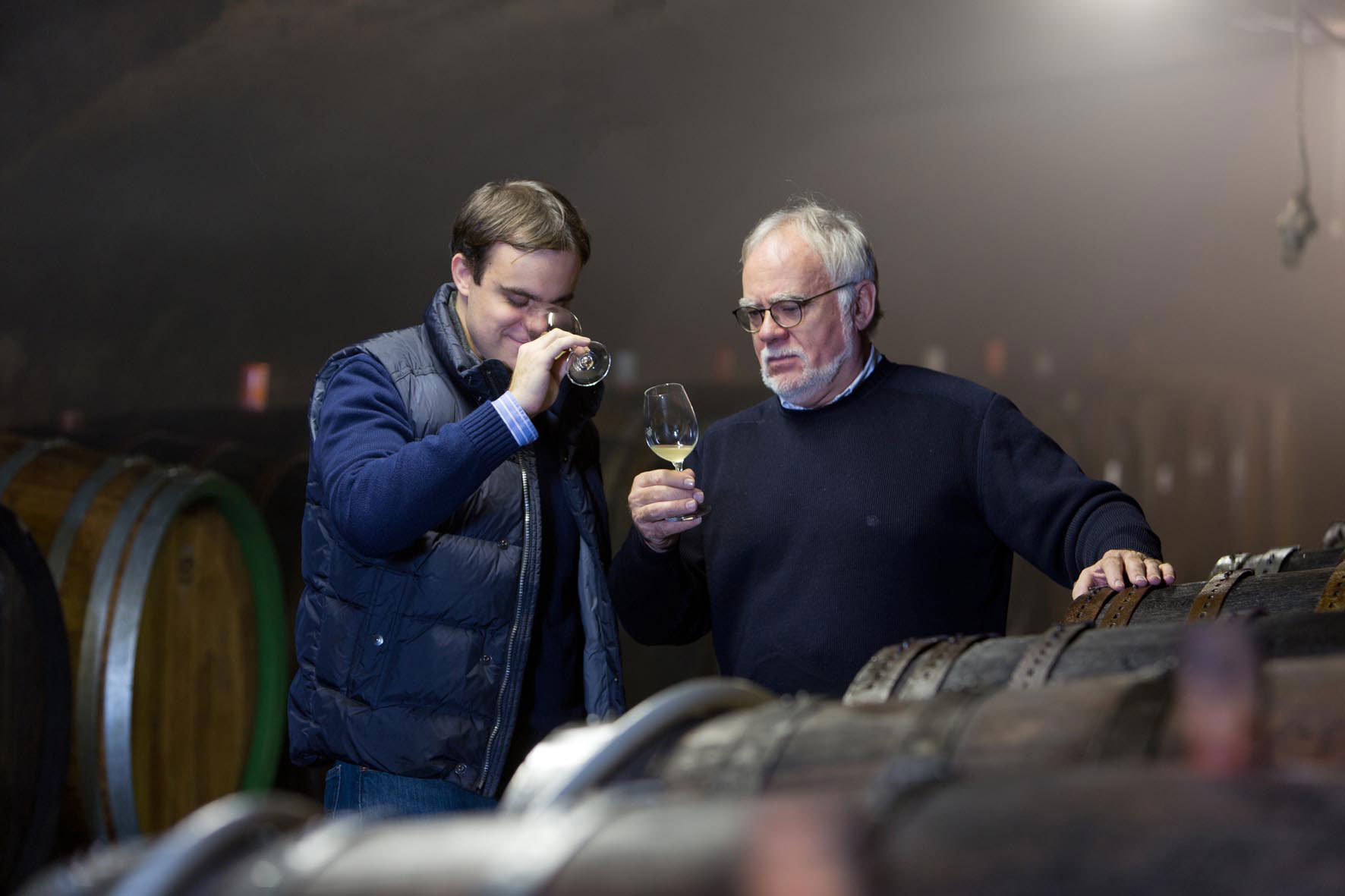
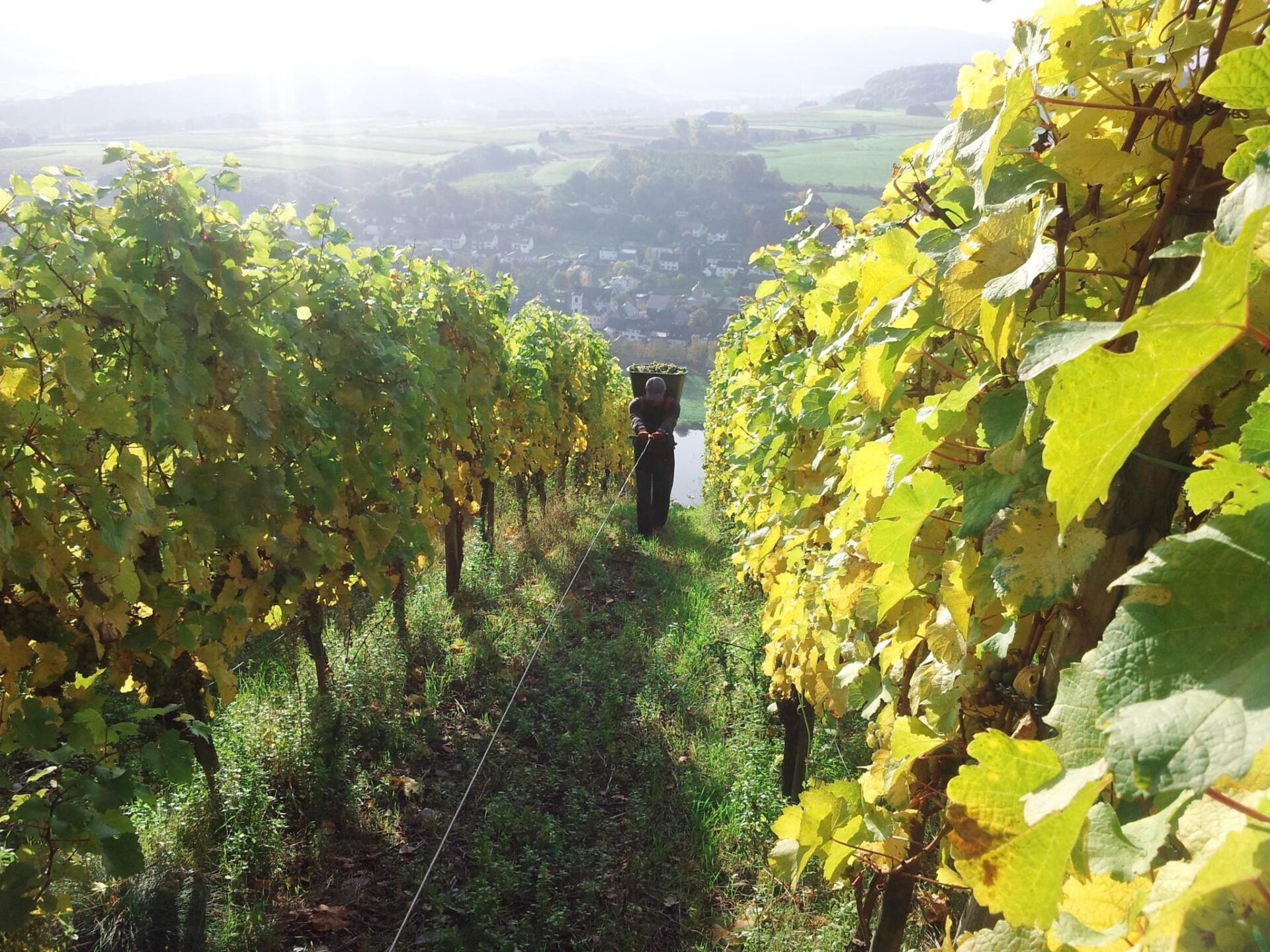
The challenge of cultivating vines on the steep, slate slopes of Mosel is overcome by fastidious handwork, small crop sizes, all-natural fertilizers and sustainable farming practices. All harvesting is done by hand. Vinification starts with gentle pressing and slow temperature controlled fermentation in traditional old oak barrels (fuders). This careful, deliberate process preserves the vineyard-grown quality of the grapes, develops the unique character of the single-vineyard cuvees, and gives Richter wines exceptional longevity.
Veldenzer Elisenberg
The Elisenberg vineyard was planted by Richter ancestor Franz Ludwig Niessen following the Napoleonic Wars in 1815 and was named after the late but still-popular Queen Louisa of Prussia. The vineyard land was given to the Richter family as recompense (and as a thank-you) after Niessen saved the region from being sacked by Napoleon’s army. The town of Veldenz is located at the southern end of the prehistoric Mosel riverbed, south of Mullheim. The vineyard faces south and enjoys a cooler microclimate than vineyards located closer to the Mosel River. The grey slate terroir has rich layers of quartz that create a special style of wine. The Elisenberg Rieslings feature a very long growing season and are dominated by flavours of wild berries: red and black currant, blackberry and raspberry. A complex acid structure adds to the long-lived, refined and delicate character of these wines. Elisenberg wines have long been highly regarded worldwide: by the end of the 19th century the vineyard shared equal esteem as Brauneberg, Piesport, Wehlen and Scharzhofberg.
Brauneberger Juffer
The Brauneberg vineyard is one of the most prestigious vineyards in the Mosel. The single vineyard designation Juffer refers to the holdings of a former convent for young girls of noble descent, while the single vineyard Juffer-Sonnenuhr is in the heart of that vineyard (a ‘grand cru’ site), on the steepest parts. In the Juffer vineyard the slate stone terroir features clay and ‘rosty’ or ferruginous minerals whereas in the Juffer-Sonnenuhr vineyard, Devonian slate turns to darker blue and rosy elements. The mountain appears brownish in colour, thus the name Brauneberg. The grade of the slope is as much as 80% in places. The vineyard faces south and has only a thin layer of soil over the rock such that in dry seasons growing vegetation can be extremely difficult. Nevertheless, Thomas Jefferson once described the wines from the Brauneberg as his favorite when he visited Mosel in the 1780s as an envoy of the United States to France. Richter has had a stake in the Brauneberg since 1643, when an ancestor purchased a parcel of vineyards there on the 17th of April that year. The Riesling wines from the Brauneberg show delicate elegance and a clearly defined aromatic structure of citrus, white peaches and mature yellow fruit, and the iron minerals from the soil impart spiciness and lively minerality.
Wehlener Sonnenuhr
The Sonnenuhr (sundial) is framed by rugged slate rocks, lending its name to the surrounding vineyards. This extremely steep site is dominated by bluish Devonian slate with a very stony character. South/southwestern exposure further reinforces the idyllic growing conditions in these vineyards, which are watered by runoff from wooded areas above. Wines from the Sonnenuhr are characteristically elegant, with ripe yellow fruit, stony minerality, and a long clean dry finish. In particular, these wines have great longevity.
Wines By Max Ferd Richter
-

Brauneberger Juffer Sonnenuhr Riesling Auslese
-

Brauneberger Juffer Sonnenuhr Riesling Trocken GG
-

Max Ferd. Richter Veldenzer Elisenberger Riesling Kabinett
-
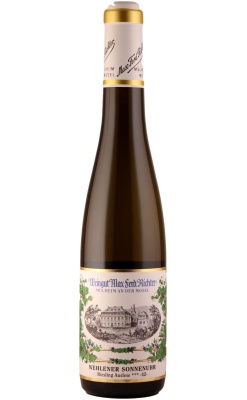
Wehlener Sonnenuhr Auslese Cask 42*** 37.5cl
-

Max Ferd. Richter Veldenzer Elisenberg Riesling Spatlese
-
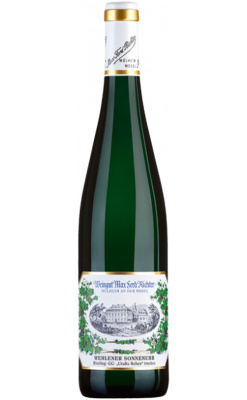
Wehlener Sonnenuhr Riesling Trocken GG Uralte Reben
-

Max Ferd. Richter Zeppelin Riesling (Mulheim)