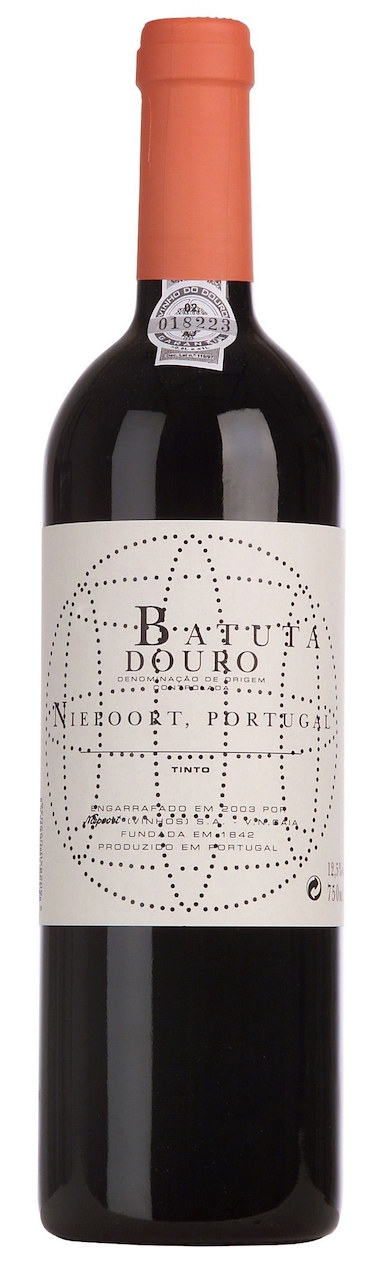
Niepoort Batuta
Learn More About This Wine
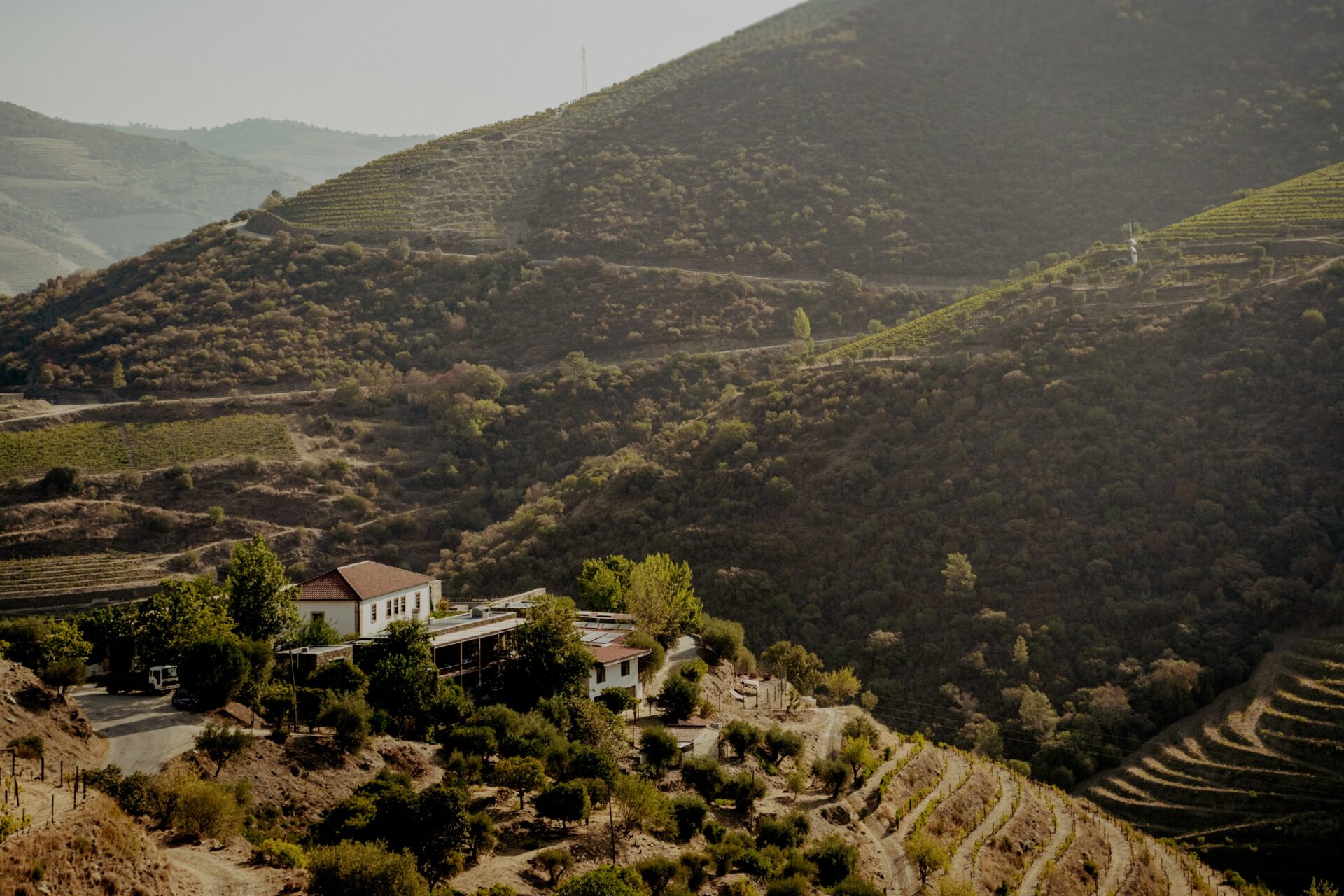
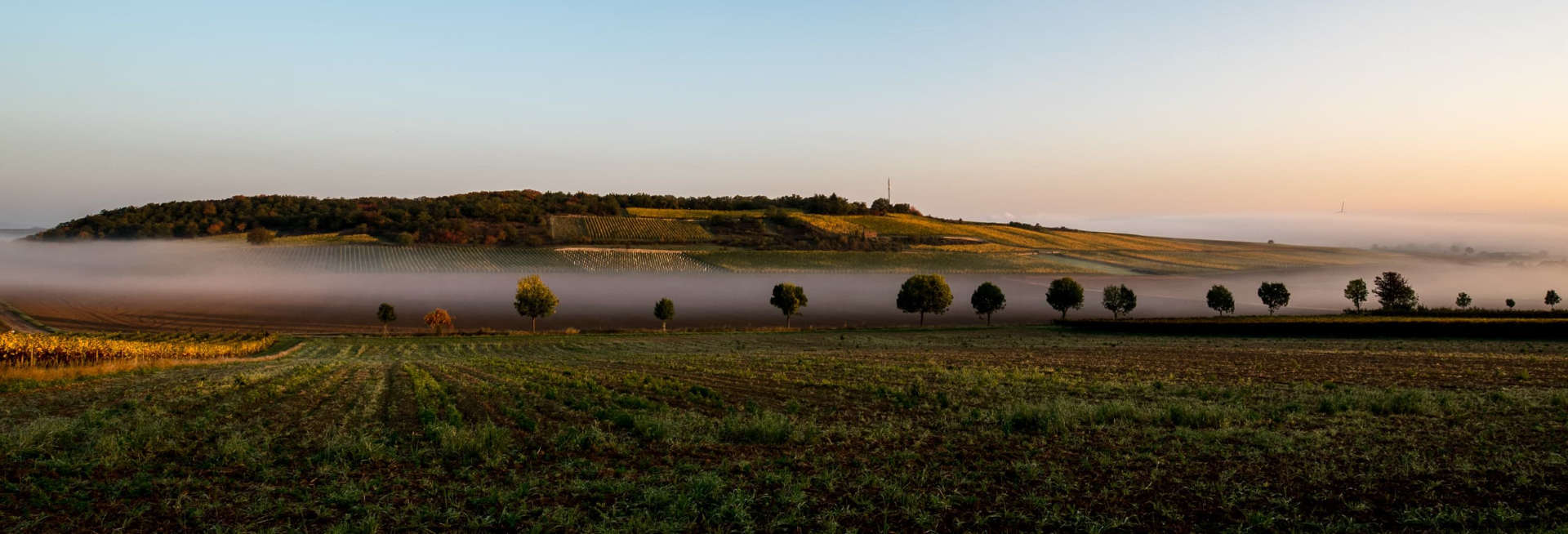
The grapes to produce this wine come from Quinta do Carril, from a north-facing vineyard with more than 70 years, and also from old vineyards about 100 years old near Quinta de Nápoles. Batuta is the result of a delicate vinification process, with long maceration but little extraction, where all the details are carefully considered in order to obtain a complex, fine and elegant wine. It has plenty of concentration from the old Douro vineyards, yet it is fresh and delicate.
The year began with an atypical winter, with rainfall exceeding historical averages. Following this period, the next semester was marked by a lack of precipitation, especially in April, with temperatures more than 2 degrees Celcius above normal and only two episodes of intense rainfall accompanied by hail, in May and June. Summer in the Douro was relatively mild: July had temperatures slightly below the European average, and August was dry but quite moderate, without severe heatwaves. This ensured good water availability for the vines and allowed for balanced ripening, with good acidity preservation and phenolic potential. The harvest began early. It benefited from generally stable weather conditions, although there were occasional showers in September, shortly after the final phase of the harvest, without compromising the quality of most grapes. This weather pattern resulted in a plentiful and high-quality harvest, with well-balanced grapes, rich aromatic concentration, and good acidity. After the fruit was meticulously sorted in the vineyard as well as in the cellar, fermentation took place in stainless steel tanks, with a skin contact period of approximately 80 days. Following this long maceration period, the wine matured for about 20 months in French barriques, with 50% new wood.
Deeply expressive nose of graphite, herbs and ripe plum, wrapped in vanilla bean and nutty oak. Silky and polished mouthfeel, with supple tannins and integrated acidity. Graceful yet quietly powerful, with depth and length.